
From a Grassroots Idea to a Creative Movement
DAC began with a simple belief: artists deserve the opportunity to build meaningful, sustainable creative lifestyles in community with other artists.

How It Started
Before founding DAC, Leah Beach spent years working as a mural artist and traveling internationally through photography. Along the way she saw something that felt deeply broken in the creative world. Talented artists were everywhere, yet many struggled to turn their passion into a sustainable livelihood. The prevailing narrative was clear: if you chose to be an artist, you should expect to struggle financially.
Leah believed that story didn’t have to be true.
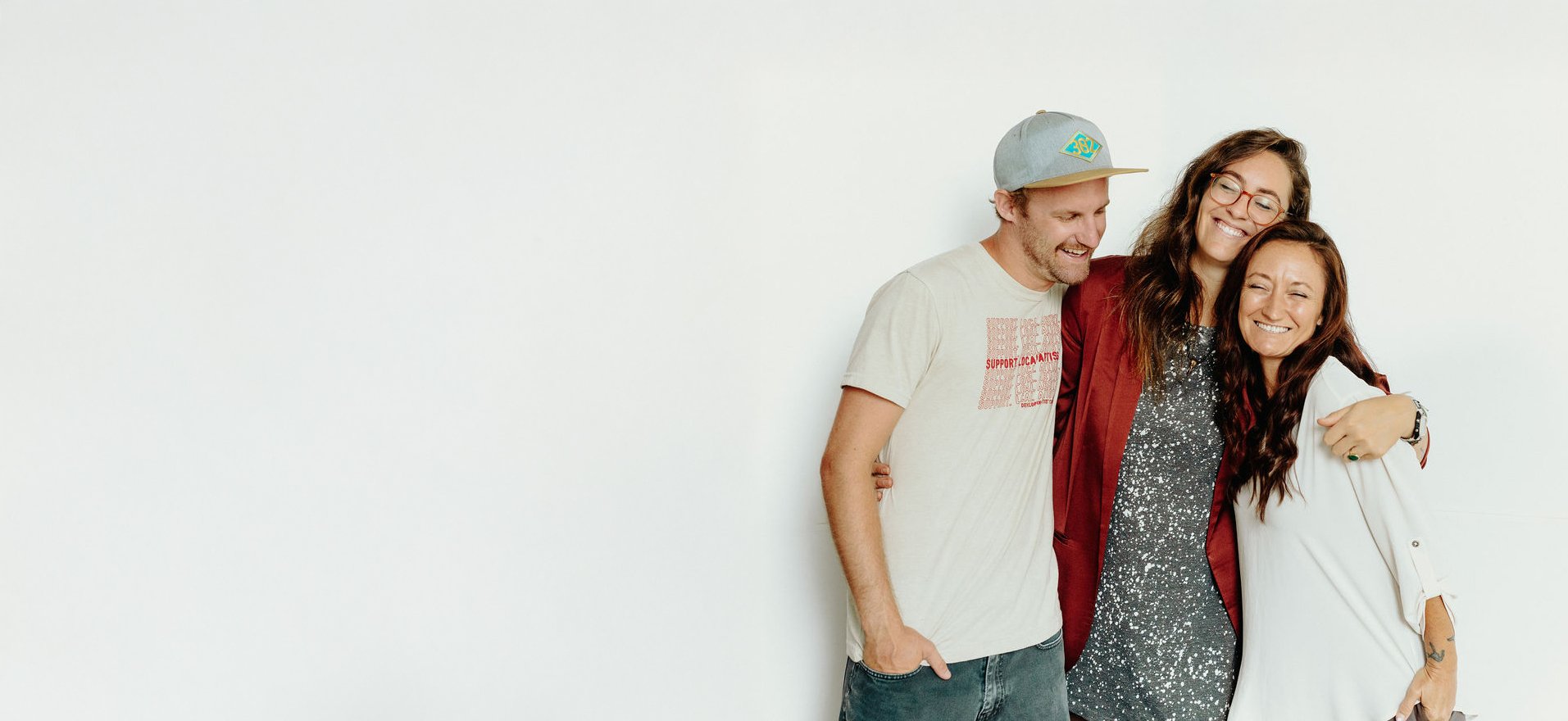
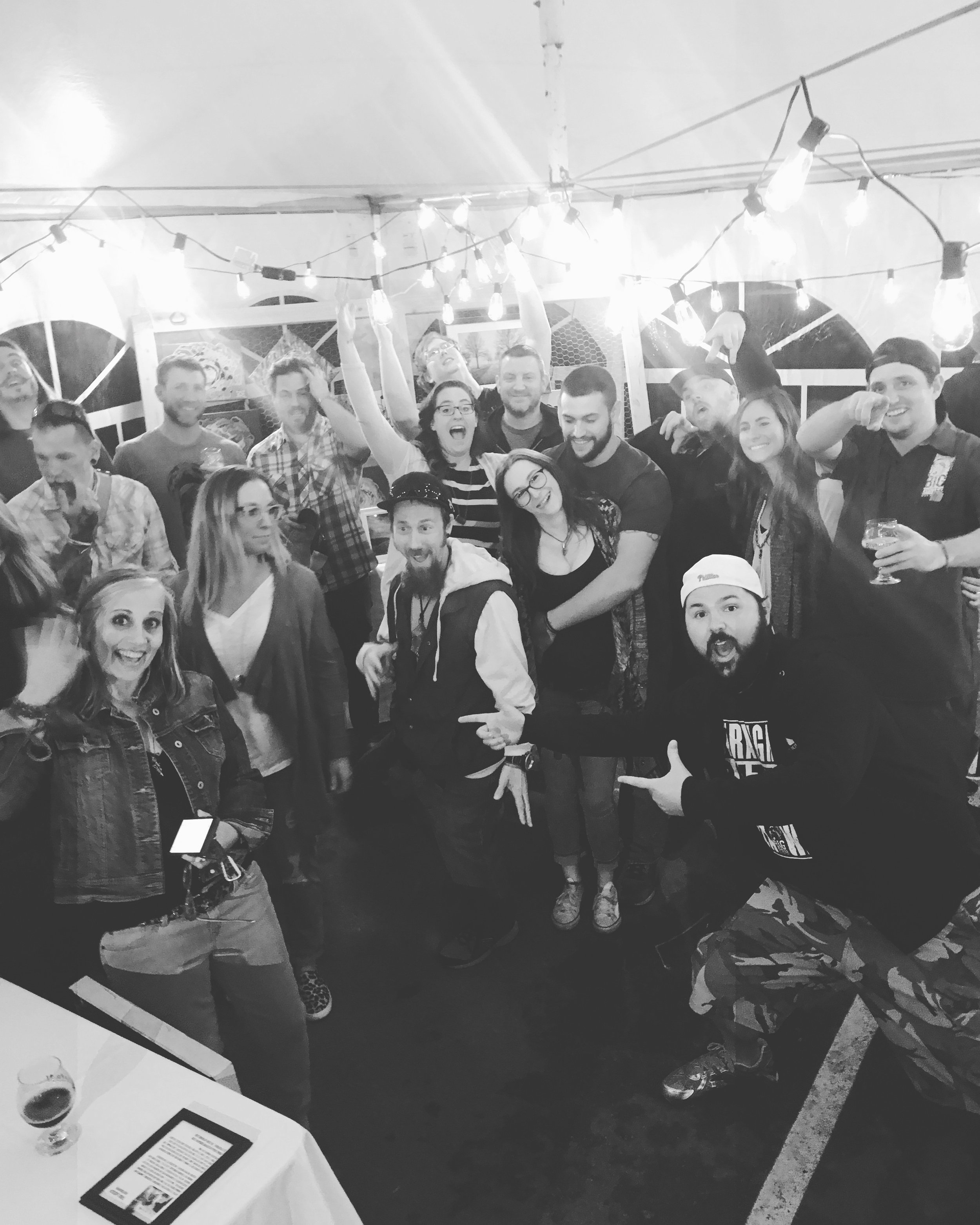
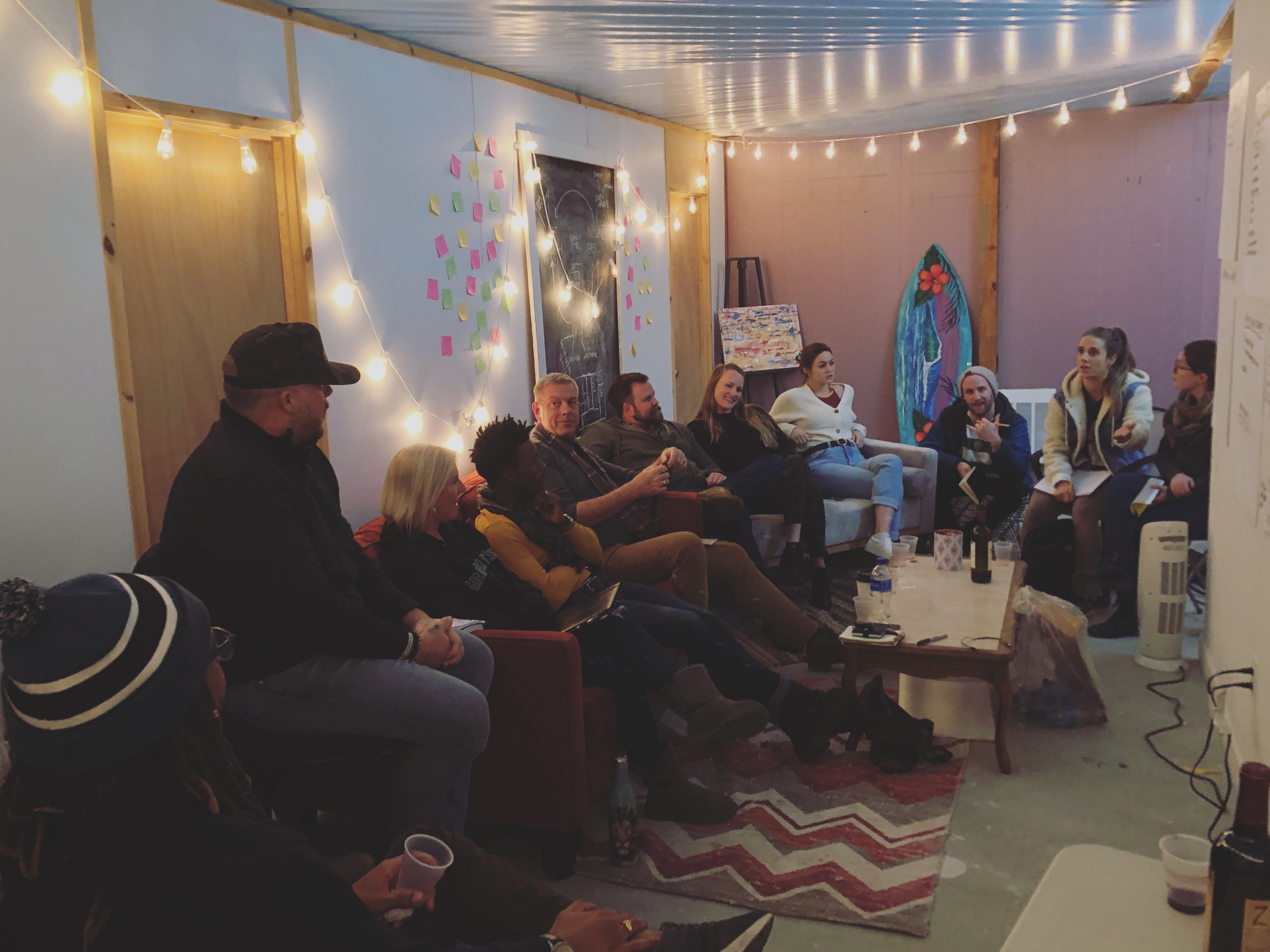
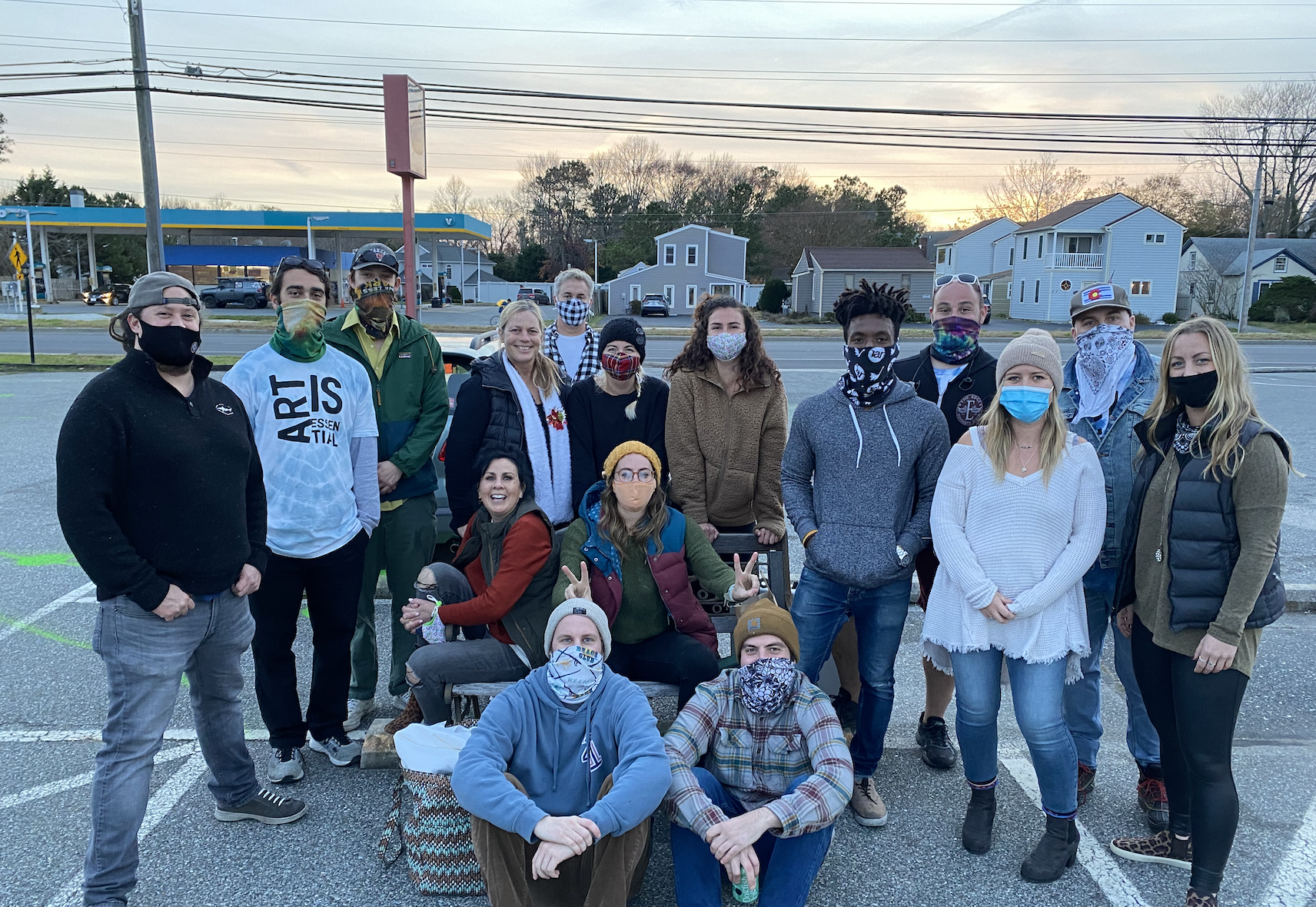
In 2017, she began gathering artists in Delaware (the two at the top, Amanda Pace and Michael Johnson in particular!) to ask a simple but powerful question: what if artists supported each other to succeed? That small group of creatives sharing ideas and encouragement quickly grew into something much bigger. What began as a grassroots collaboration became the foundation for the Developing Artist Collaboration.

The Early Years
Built From the Ground Up
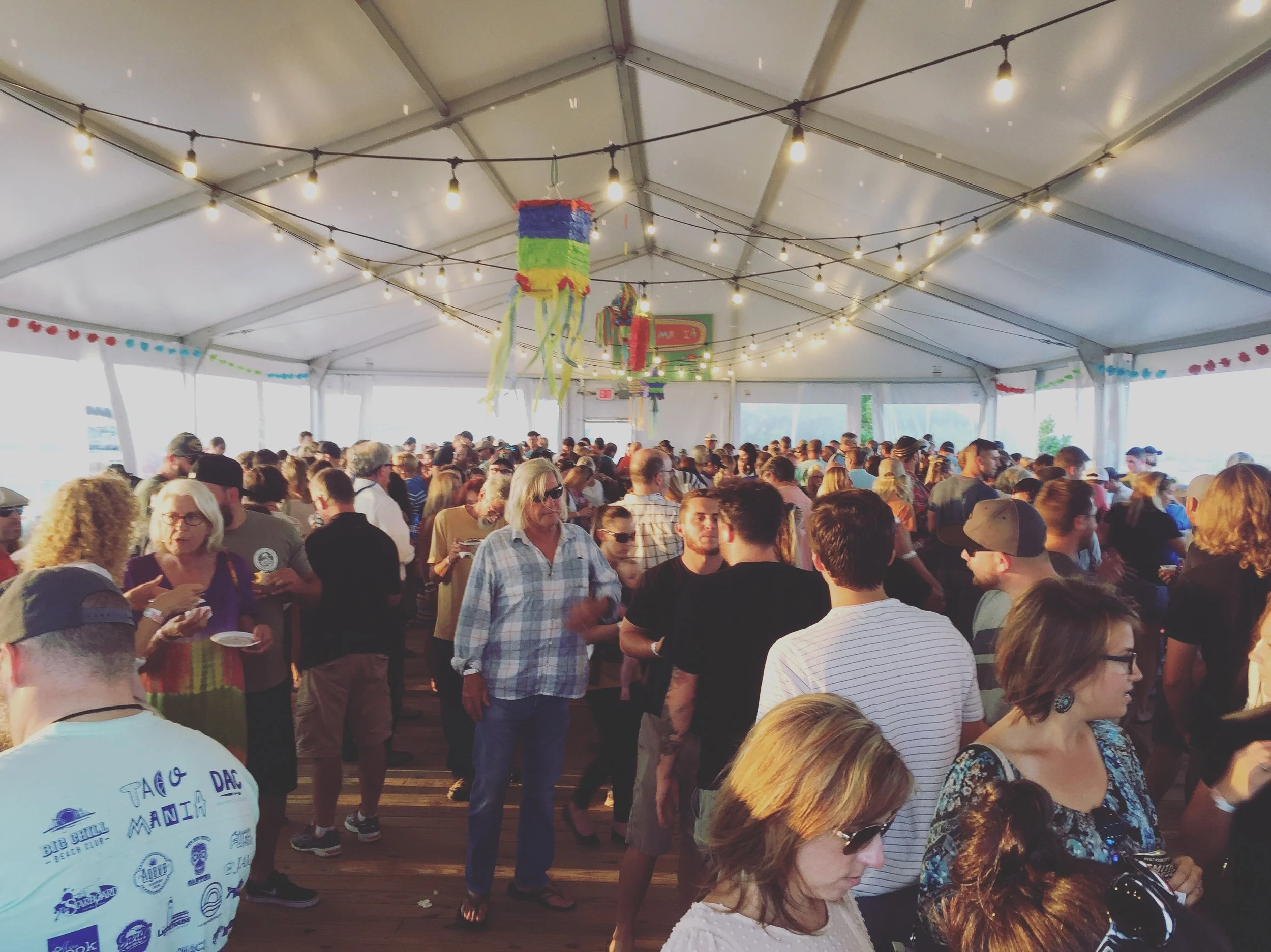
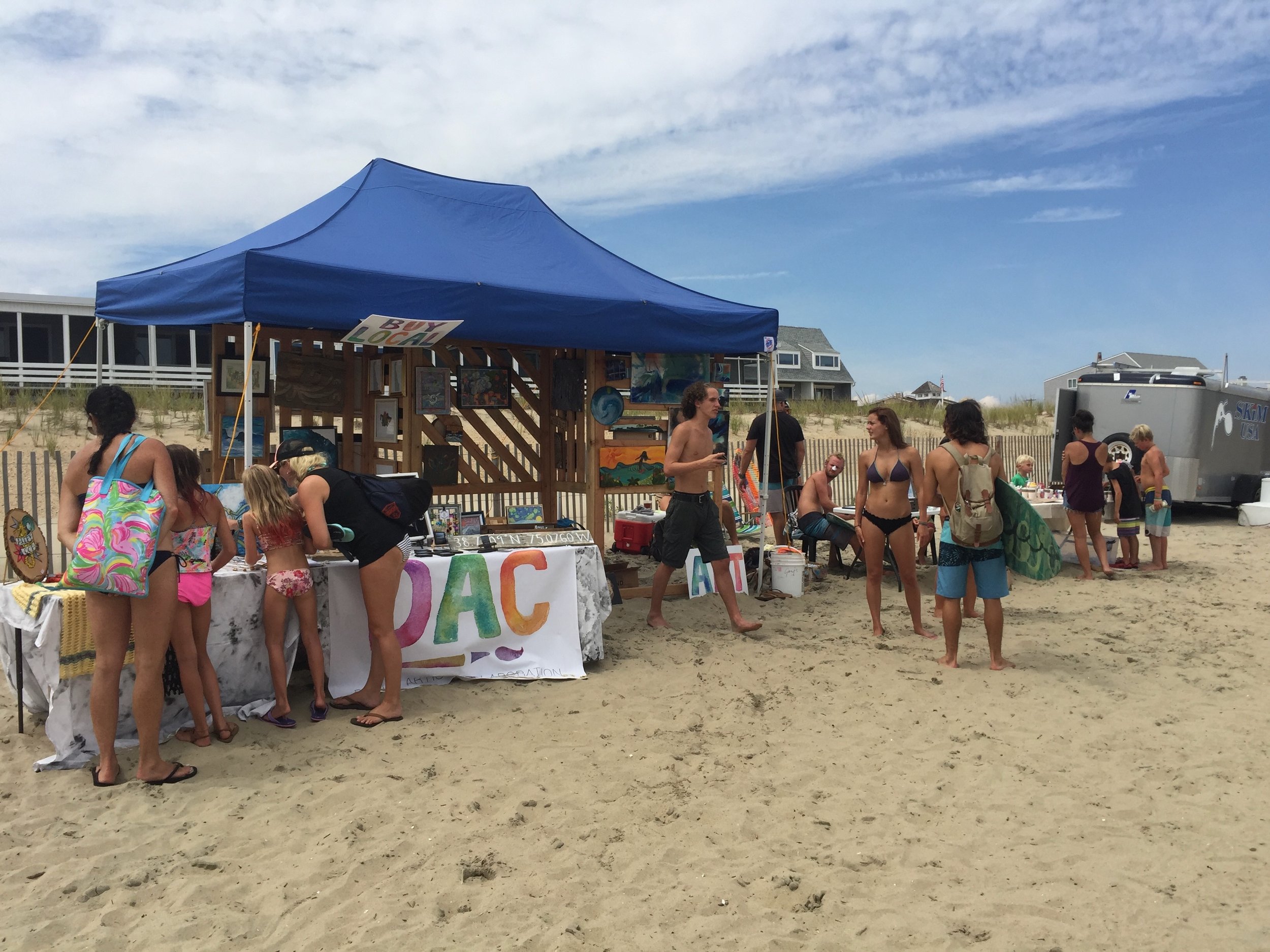
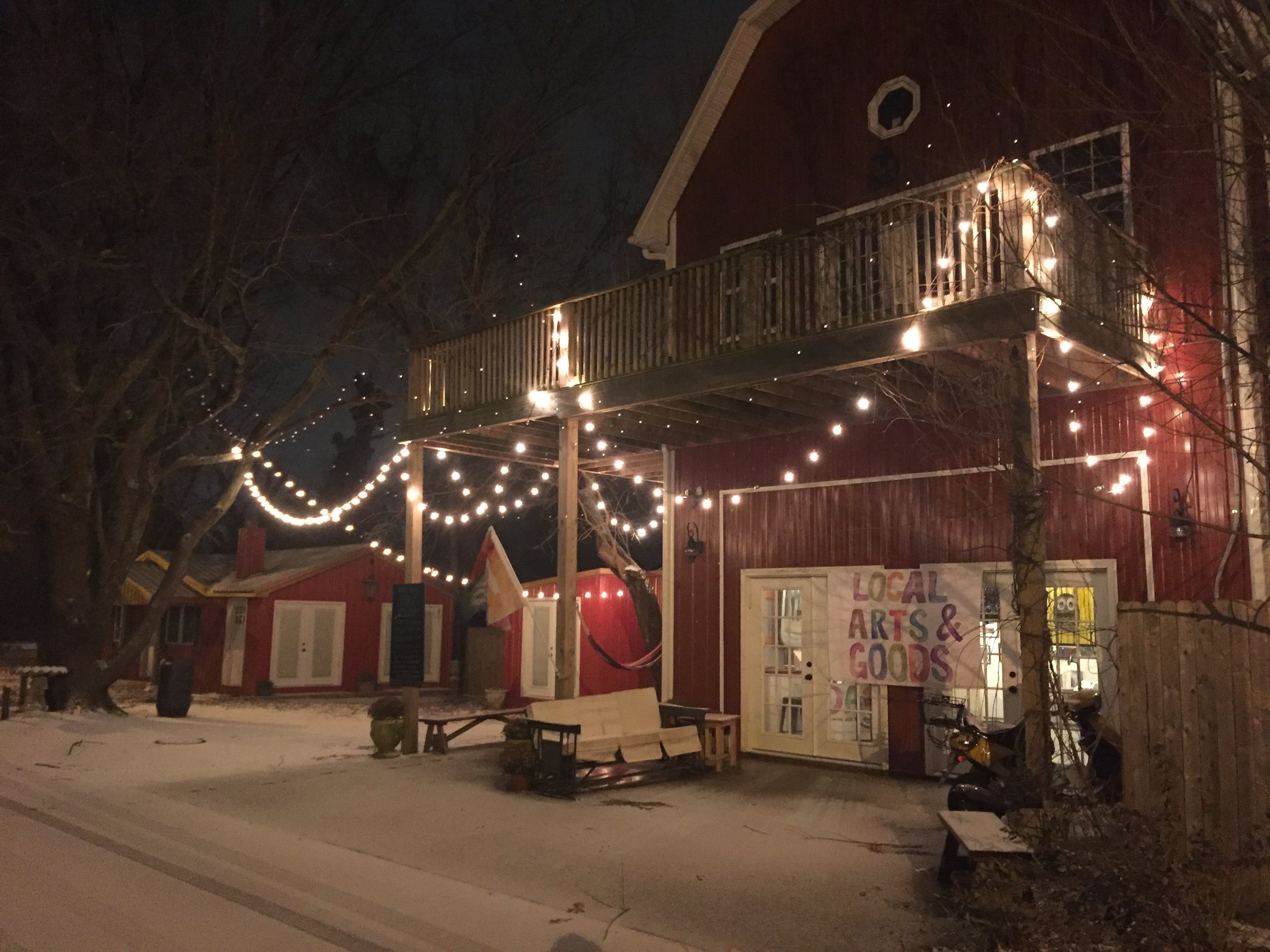
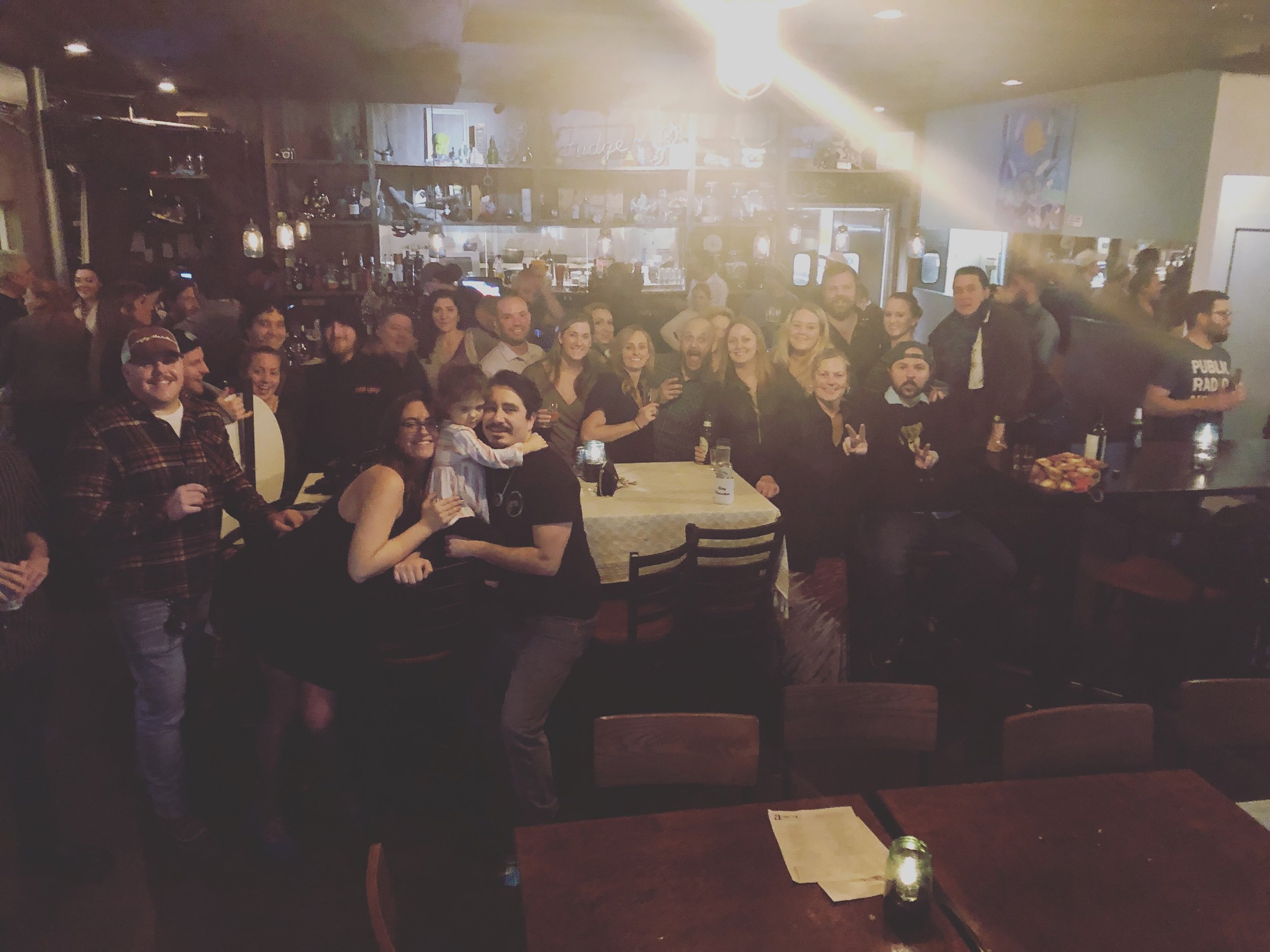
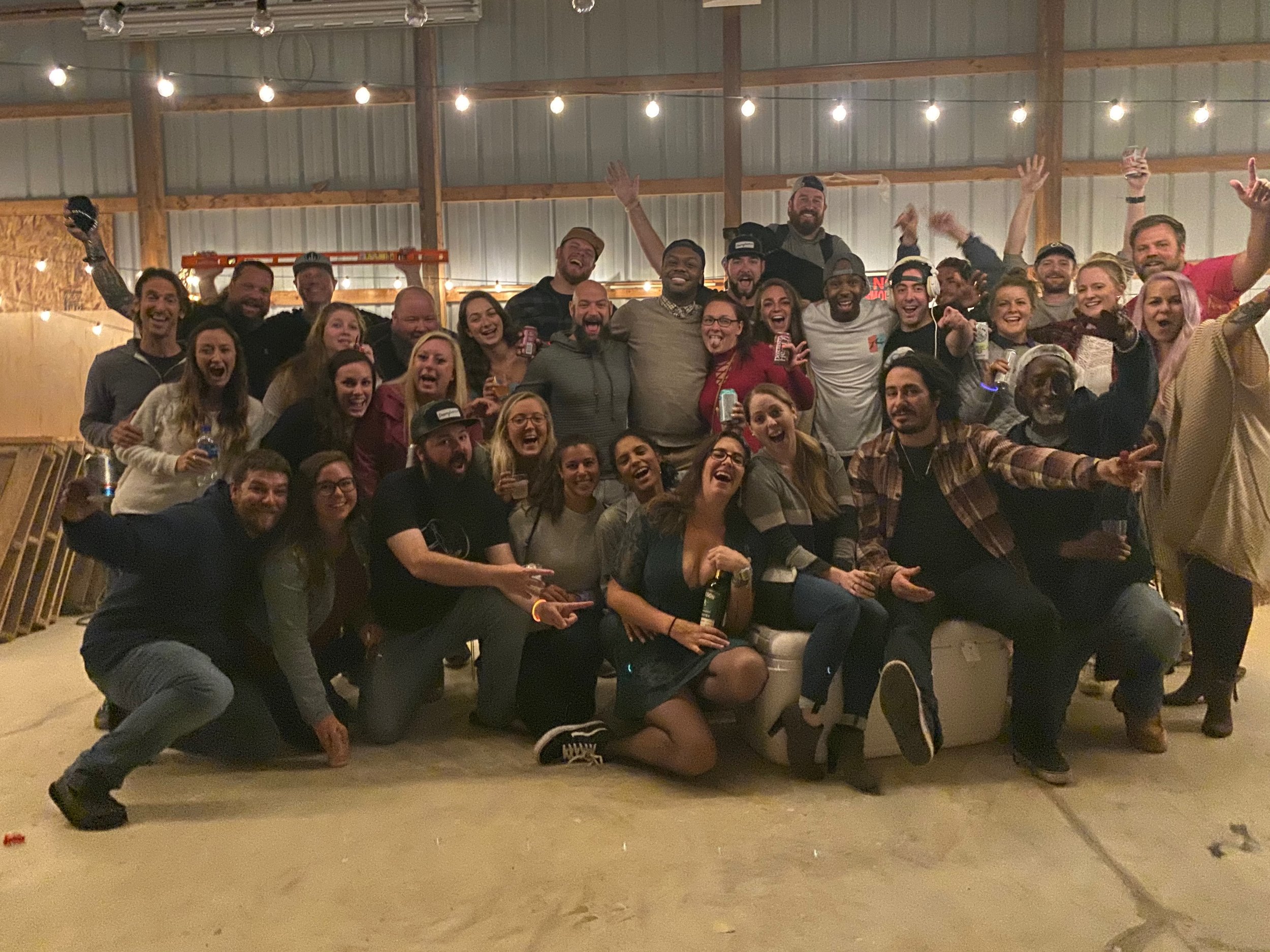
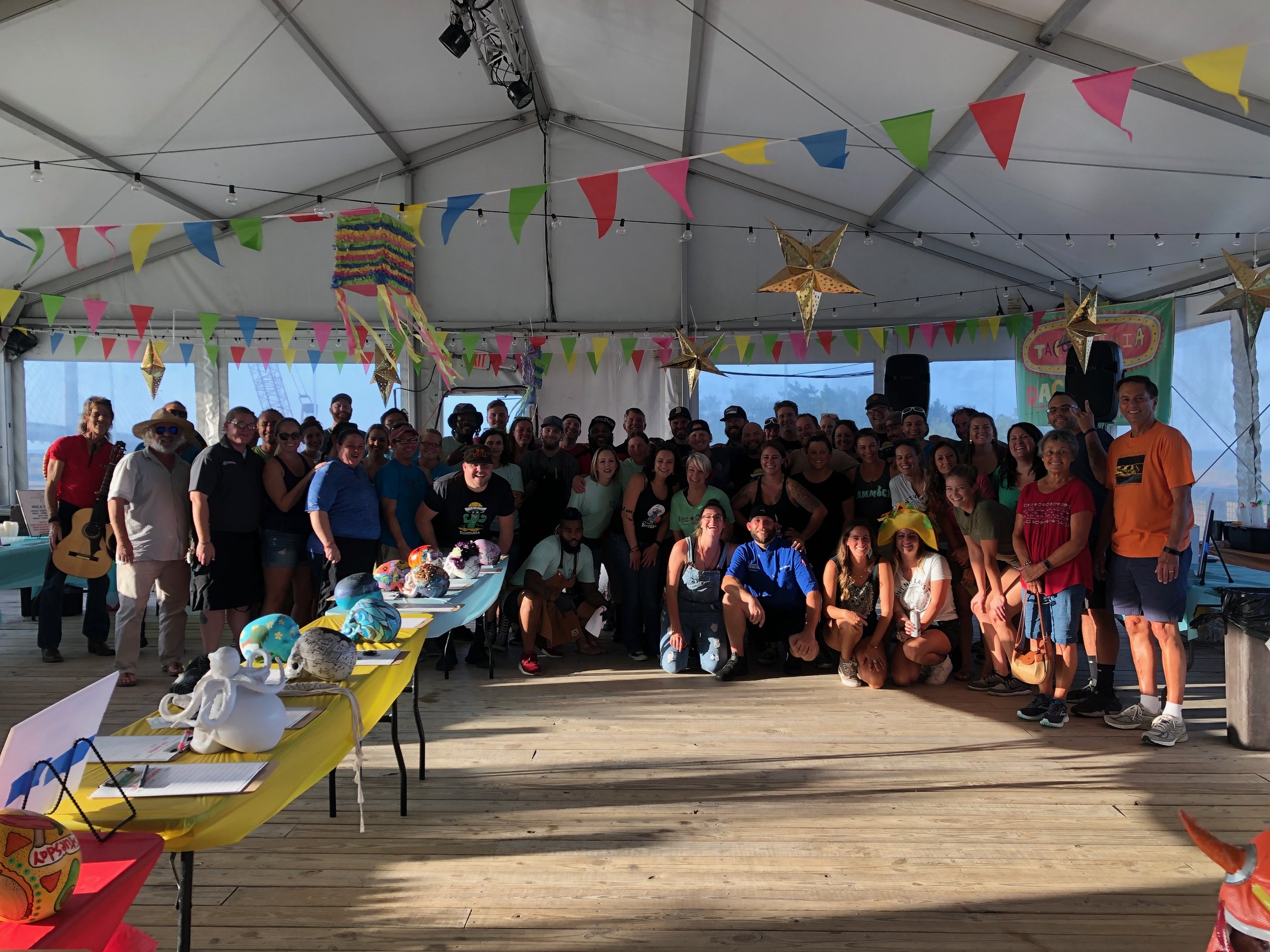
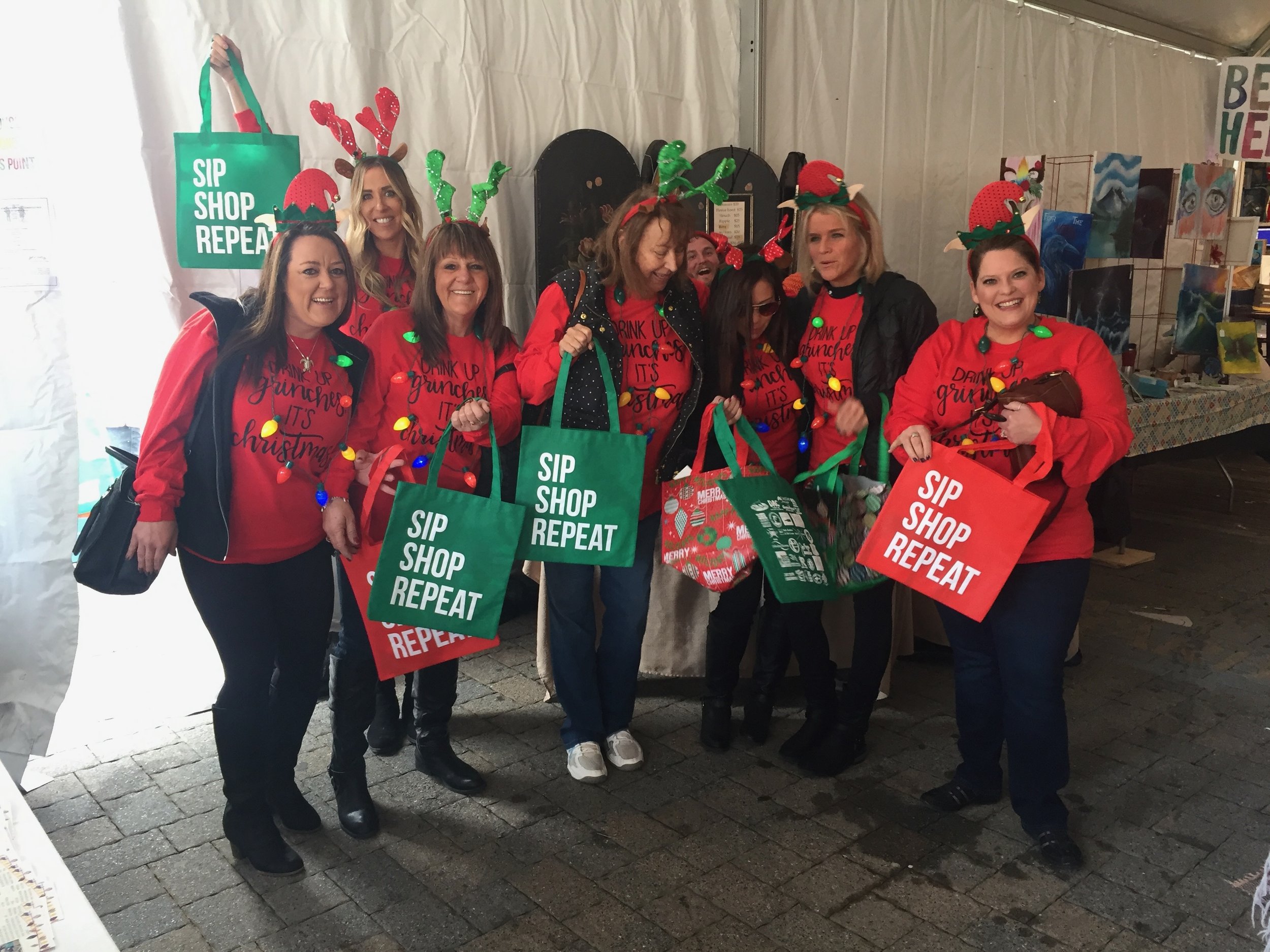
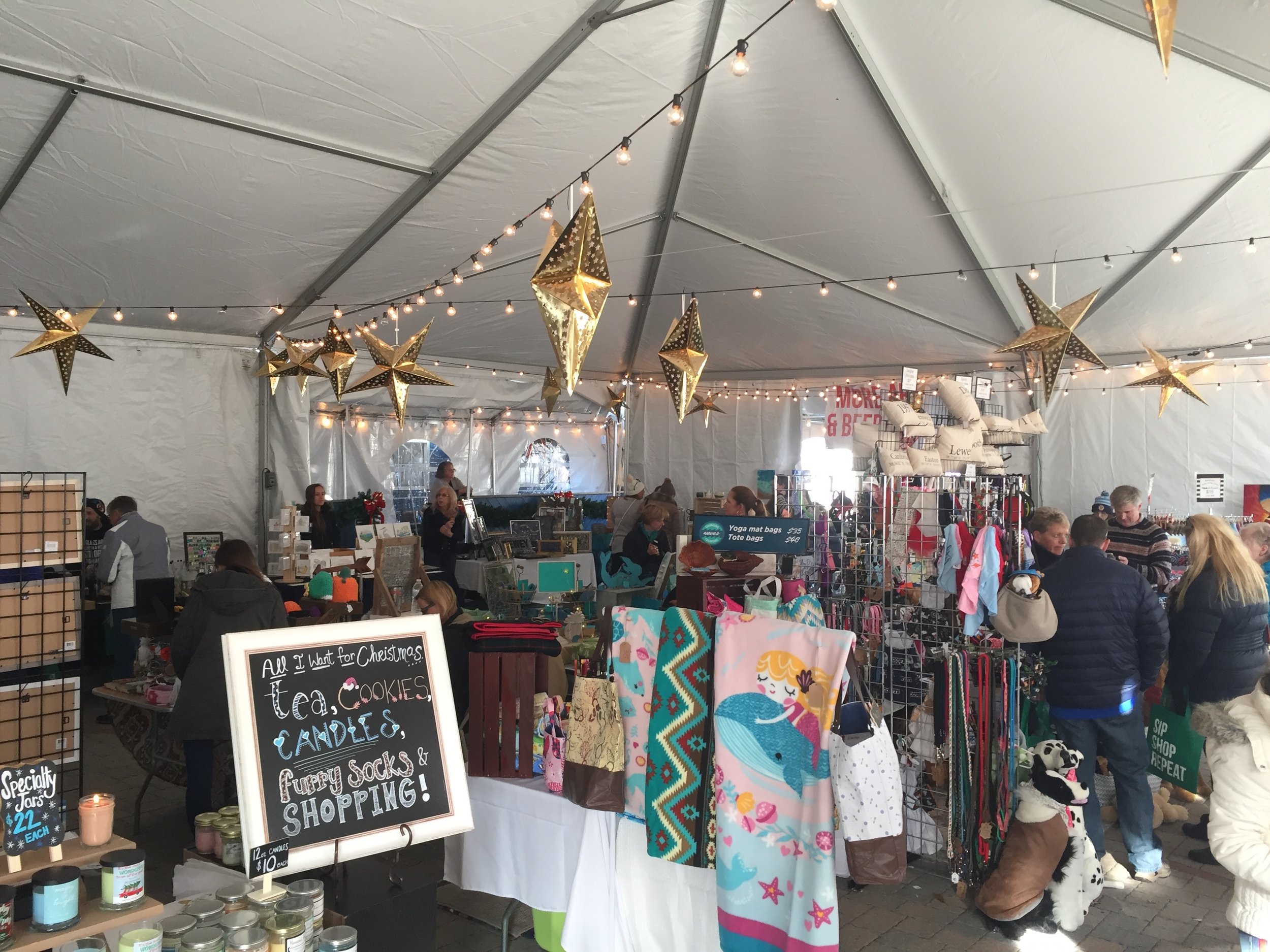
DAC didn’t begin with a building, a large staff, or major funding. It started with pop-up art shows, community gatherings, borrowed spaces, and artists who believed in supporting one another. Early events took place in backyards, beach pop-ups, and temporary markets where artists could showcase their work and connect with new audiences.
Word spread quickly. Artists who had long felt isolated suddenly found a supportive network. Community members discovered a growing local arts scene they could directly support. Each event brought new energy, new artists, and new possibilities. Without a formal blueprint, DAC continued to grow through the passion and participation of the artists themselves.
By the end of 2019, DAC was a young nonprofit operating on a $200,000 budget with three contracted employees and two primary programs: Dirty Hands DIY and Pop-Up Artist Events. Through these programs, DAC had already hosted 57 community-driven events, connecting more than 200 artists with local audiences and building momentum for a growing creative community.



The Pandemic Pivot
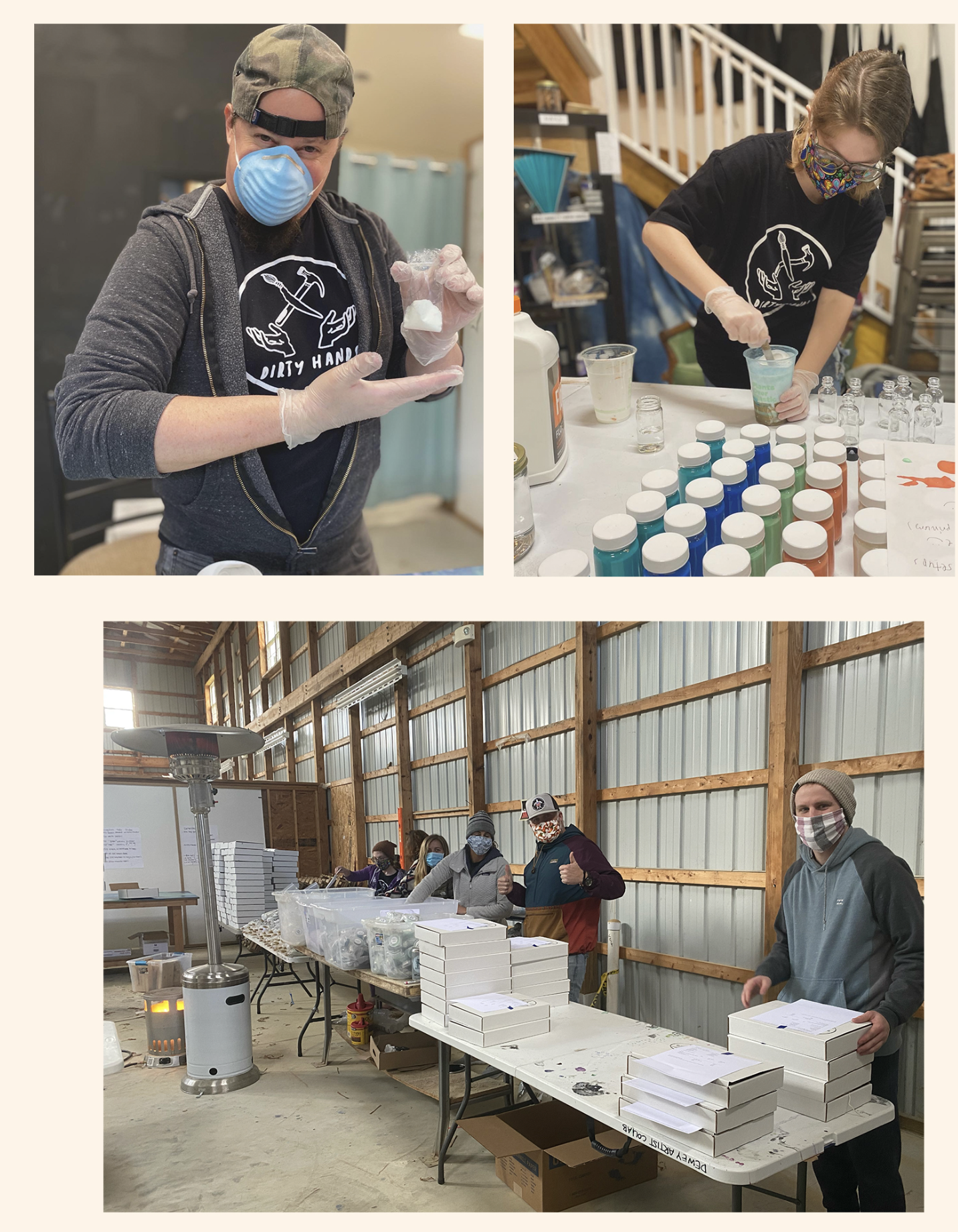
When the pandemic forced the shutdown of in-person gatherings, nearly all of DAC’s revenue disappeared overnight. Instead of pausing operations, the organization quickly adapted by launching an eCommerce platform for DIY art kits and setting up outdoor pickup stations so the community could continue creating at home. Within weeks, this effort generated critical revenue that allowed DAC to remain operational during an uncertain time.
As restrictions eased, DAC reinvested those funds directly into programming, hosting 14 outdoor artist markets that safely brought artists and community members back together. Despite the global shutdown, DAC supported 195 artists and welcomed more than 7,000 visitors who rallied behind the local creative economy.
The experience also revealed a deeper need within the artist community: many artists lacked the digital tools and business knowledge necessary to sustain their careers when traditional sales channels disappeared. In response, DAC launched its first career development programming focused on helping artists build websites, strengthen online marketing, and develop sustainable creative businesses.
What began as a crisis ultimately clarified DAC’s purpose. The organization emerged with a stronger focus on artist workforce development — helping artists not only sell their work, but build lasting, sustainable careers.
A Home for Artists
As DAC continued to grow, the organization began exploring ways to create more consistent opportunities for artists to sell their work. Instead of relying solely on pop-up events, DAC envisioned a marketplace built by artists, for artists — one designed to prioritize creativity, community, and accessibility.
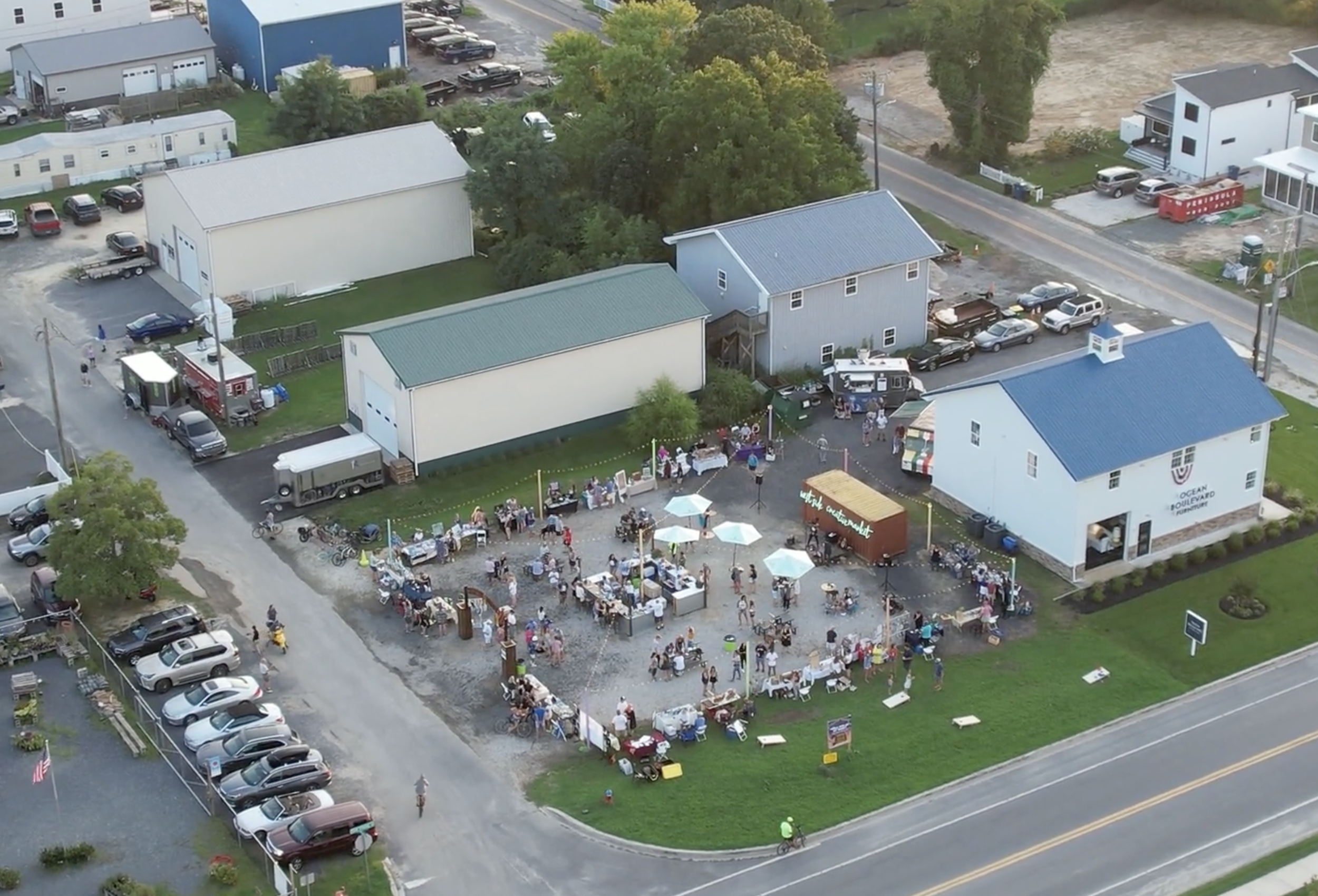
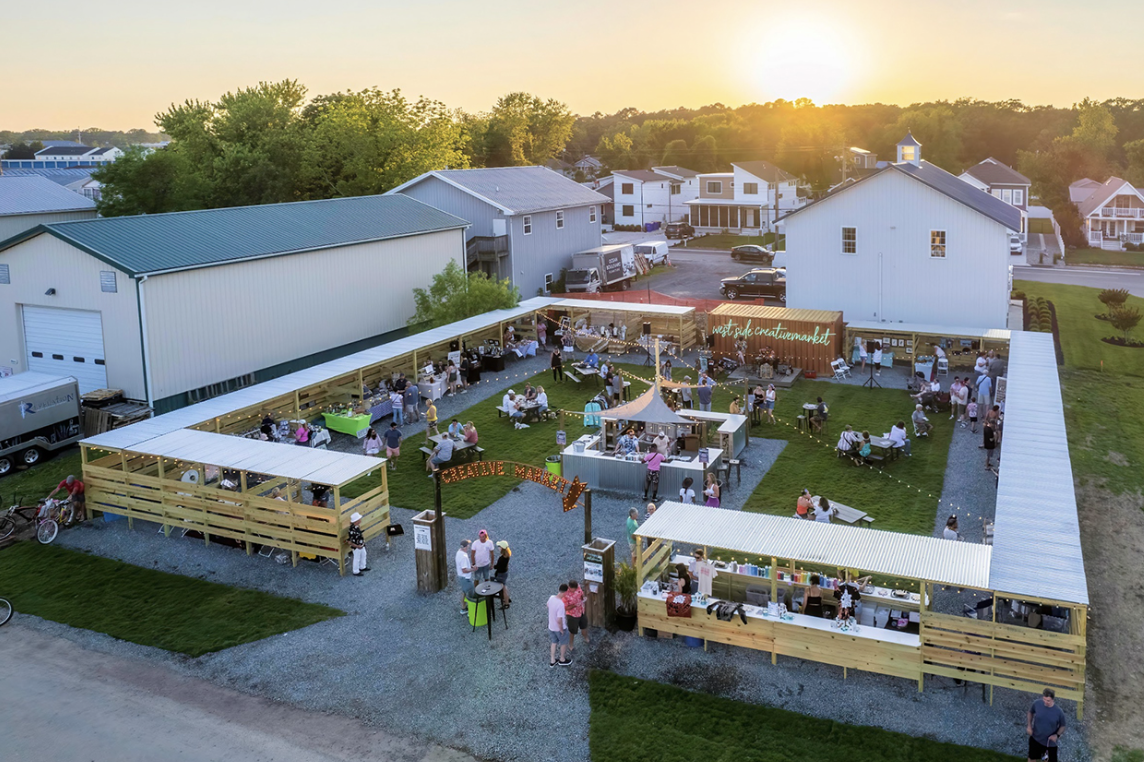
In 2021, that vision became the West Side Creative Market, launched from an empty parking lot in West Rehoboth. What began as a simple outdoor gathering quickly evolved into a vibrant weekly market where artists could connect directly with the community and build sustainable income through their work.
At the same time, the success of DAC’s DIY art kit business revealed another important need: many artists lacked the digital tools required to sell their work online. DAC began teaching artists how to build websites, strengthen their online presence, and grow their creative businesses. These early programs laid the foundation for what would eventually become two of DAC’s most impactful initiatives: the West Side Creative Market and the organization’s flagship Emerge artist development program.
Growing Too Fast
As new programs and opportunities emerged, DAC expanded rapidly. The organization was fueled by passionate artists and a community eager to support a growing creative movement. But with that momentum came growing pains.
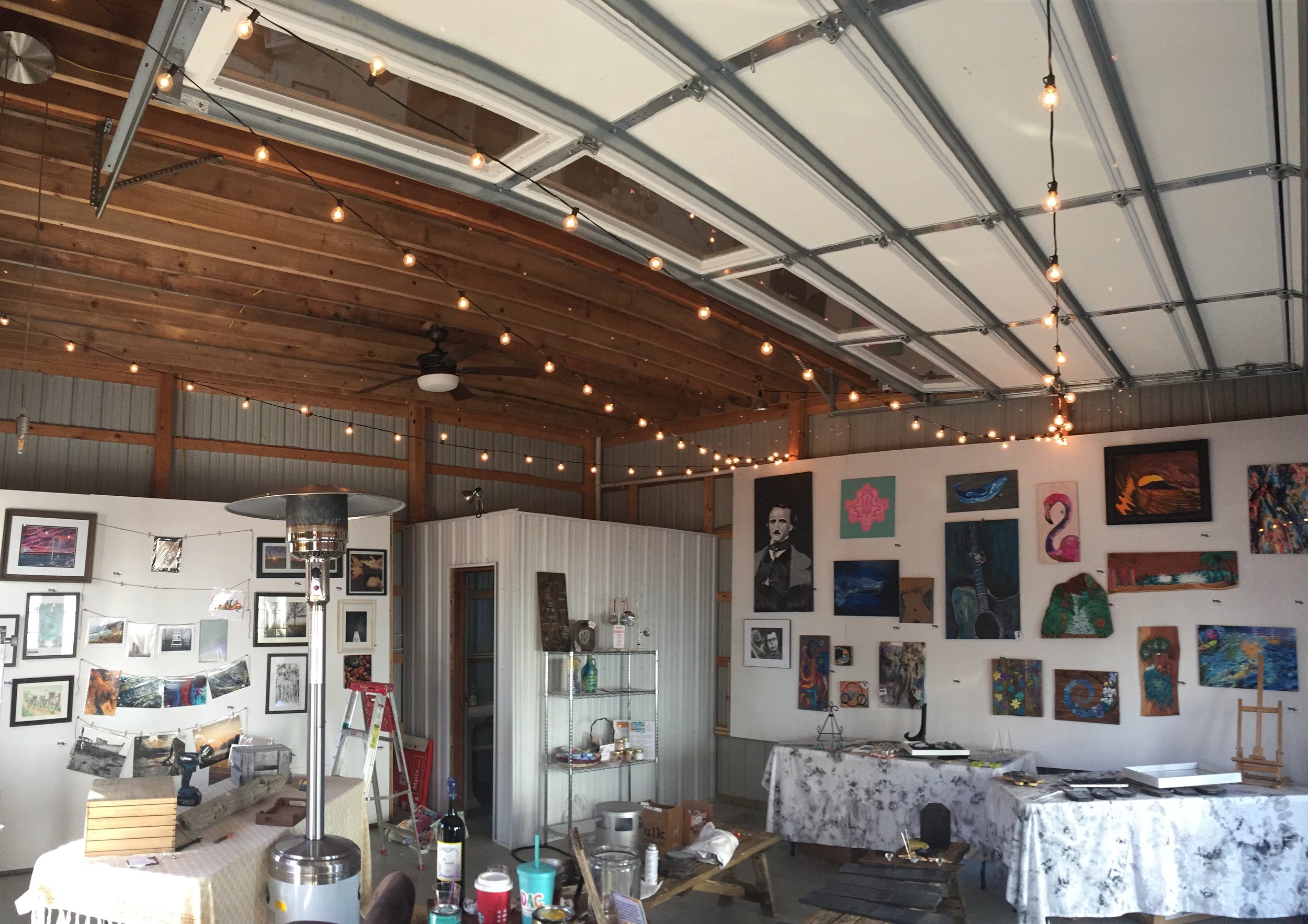
By 2023, DAC had launched a new career development program, commissioned a historic mural honoring West Rehoboth, built the Creative Market structure, taken on a second building for artist studios, and attempted to facilitate the DIY art program on-site after the DIY kit model declined. While these initiatives reflected the organization’s ambition and creativity, they also stretched its operational capacity.
Much of DAC’s leadership at the time came directly from the artist community. While this passion fueled innovation, the lack of formal business and nonprofit management experience created significant challenges as the organization grew.
The result was a difficult but necessary realization: DAC had grown faster than its internal foundation could support. For a moment, the future of the organization felt uncertain.
Rebuilding the Foundation
Rather than stepping away from the challenge, DAC chose to rebuild.
Beginning in 2024, the organization entered a period of deep reflection and restructuring. Leadership expanded both within staff and the board of directors, bringing in new perspectives and stronger operational guidance. Programs were reevaluated, systems were strengthened, and the organization began rebuilding its foundation with long-term sustainability in mind.
This transformation was made possible through the continued support of the Delaware Division of the Arts, a major investment from the Longwood Foundation, and grants and donations from community partners who believed in DAC’s mission.
The process was not fast, but it was necessary. Through this period of rebuilding, DAC emerged stronger, more focused, and better equipped to serve artists for the long term.
The best part? We had to fail to do what we do today.

Our Impact Since Day 1
Community Members Showed Up for Events & Programming
$2.5 Million
Total Artist Sales generated by Creative Market into DE Creative Economy
Artist Members Engaged Graduated from Career Development Programming
Artists Served by Programs Since Inception
135K
67
1235

The DAC We Are Today
-
![Man in light blue shirt standing near doorway with warm lighting and stylish hanging lights in the background.]()
Local Artist Development
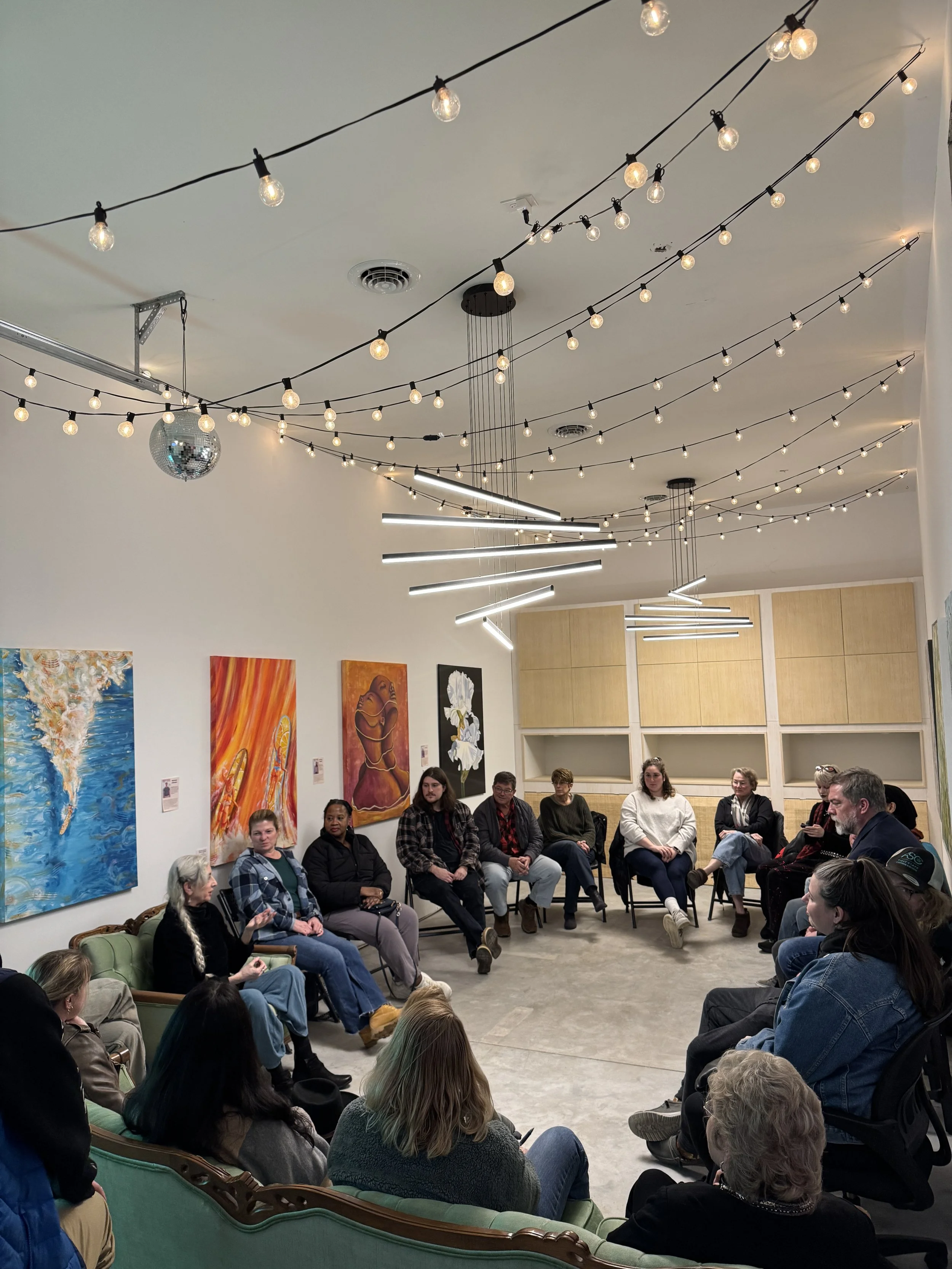
DAC is dedicated to supporting working artists right here in Sussex County. Through spaces like the West Side Creative Market and Artpothecary, artists have consistent opportunities to showcase and sell their work while connecting directly with the community.
Beyond events, DAC provides resources that help artists grow sustainable businesses — including peer gatherings, virtual business education, the DAC Artist Directory, and services like print production and laser cutting.
-
![]()
Emerge: Creative Workforce Development for Artists
Emerge is DAC’s flagship workforce development program designed to help artists build sustainable creative careers. Through a year-long cohort model, artists participate in structured business education, mentorship, accountability partnerships, and community support.
The program combines weekly virtual sessions, in-person gatherings, and a digital hub with tools for pricing, marketing, and client management, helping artists turn their creative practice into a thriving business.
-
![Three women smiling at an outdoor event, standing under a wooden structure with string lights. One wears a dress, another overalls, and the third a tank top and shorts. There are stalls and merchandise in the background.]()
Creative Community
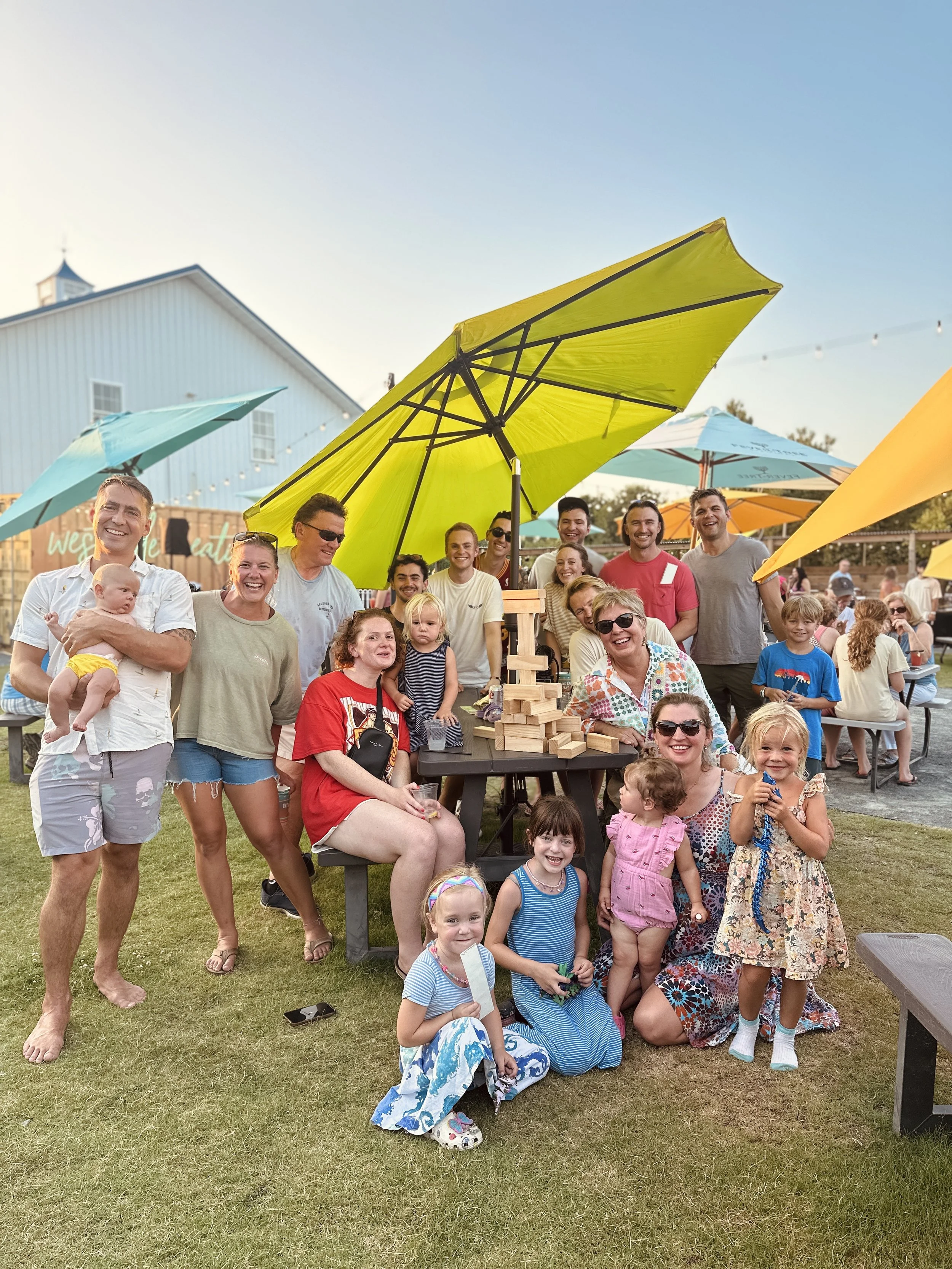
DAC believes creativity has the power to bring communities together. Through programs like the West Side Creative Market, exhibitions at the Artpothecary, and private creative experiences, community members can engage directly with artists while learning about the creative economy.
Creativity isn’t something you simply observe at DAC — it’s something you participate in. Through hands-on activities, our Artist Directory, and experiences like our Creative Market Tours, we help spark meaningful connections between artists and the community.

Love our story?
You’re going to love our Mission & Vision.